exhibitions
In addition to my research – both fundamental and applied – I have also sought to engage public audiences more broadly, through a combination of interactive exhibitions and public events that translate academic research into public debate. Below are few recent examples of my work in this area.
1. humanitarian, by design? | Geneva, switzerland
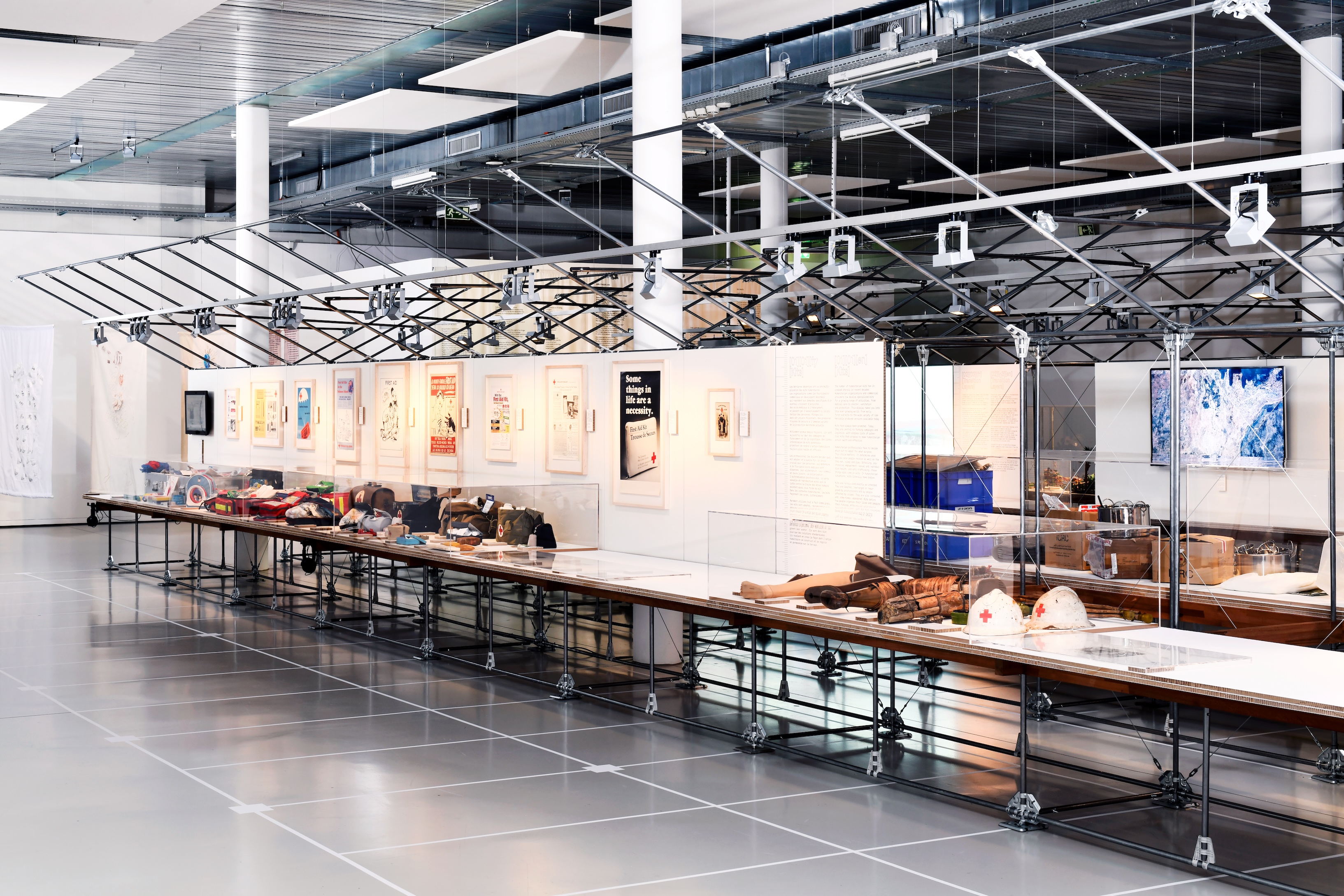
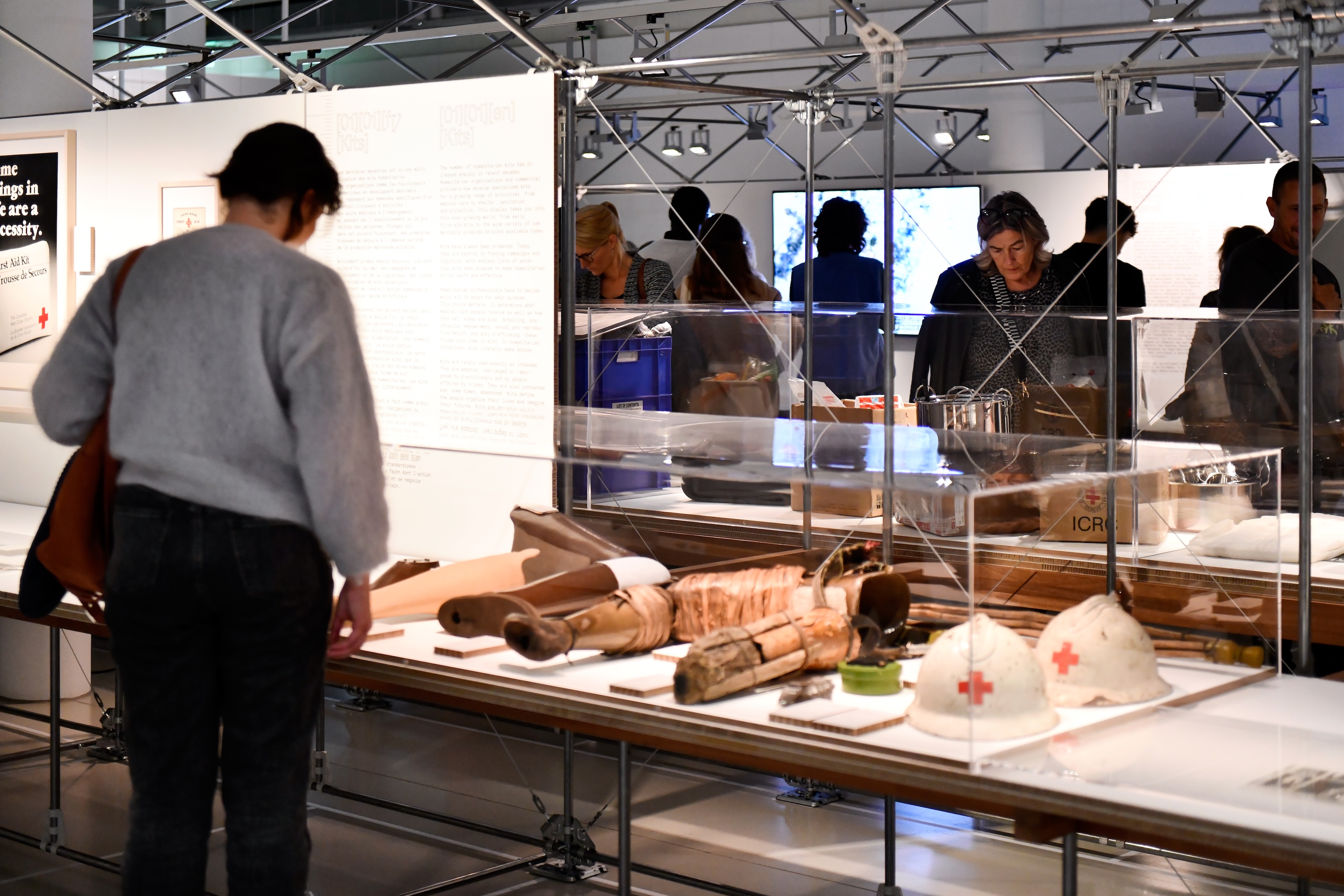
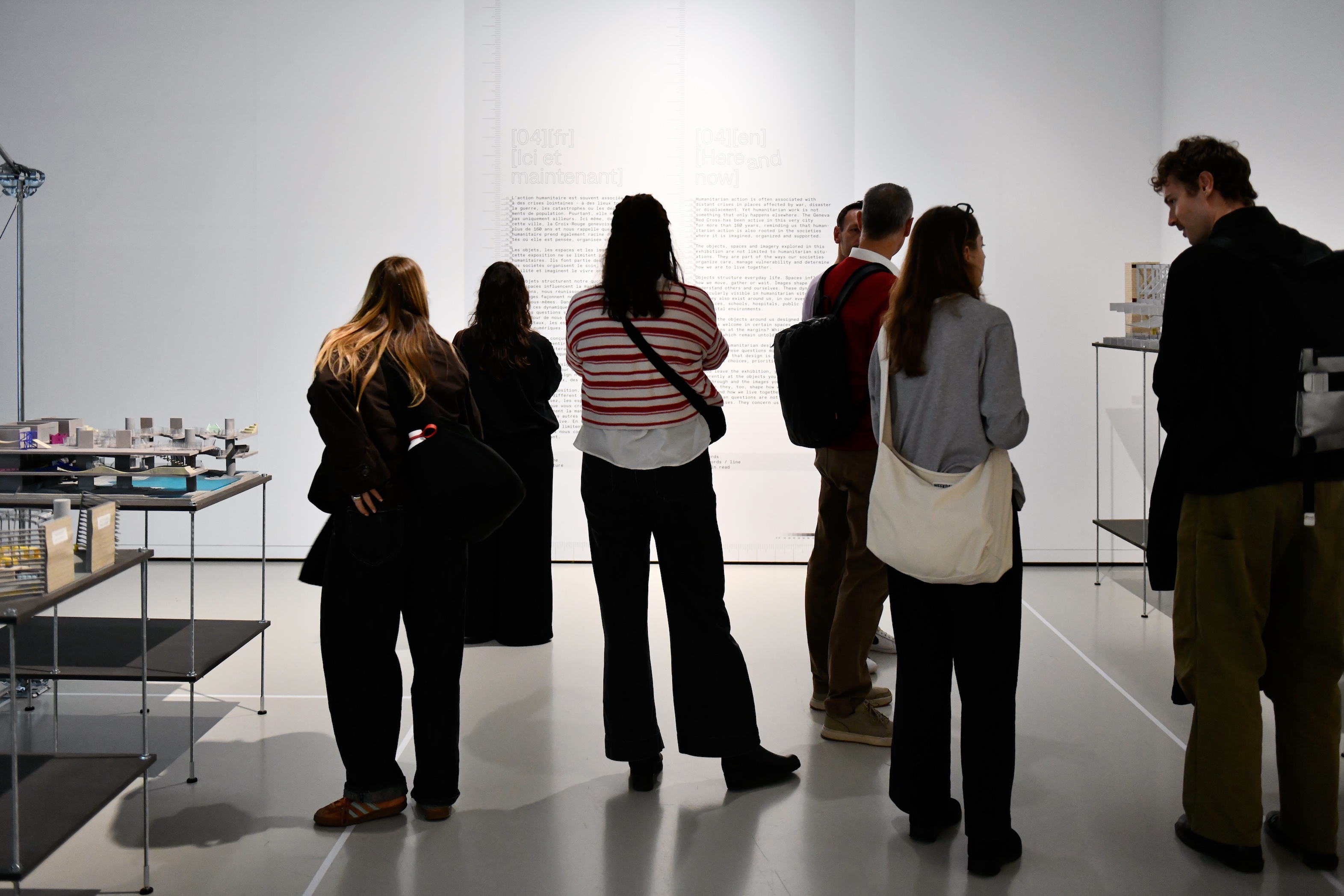
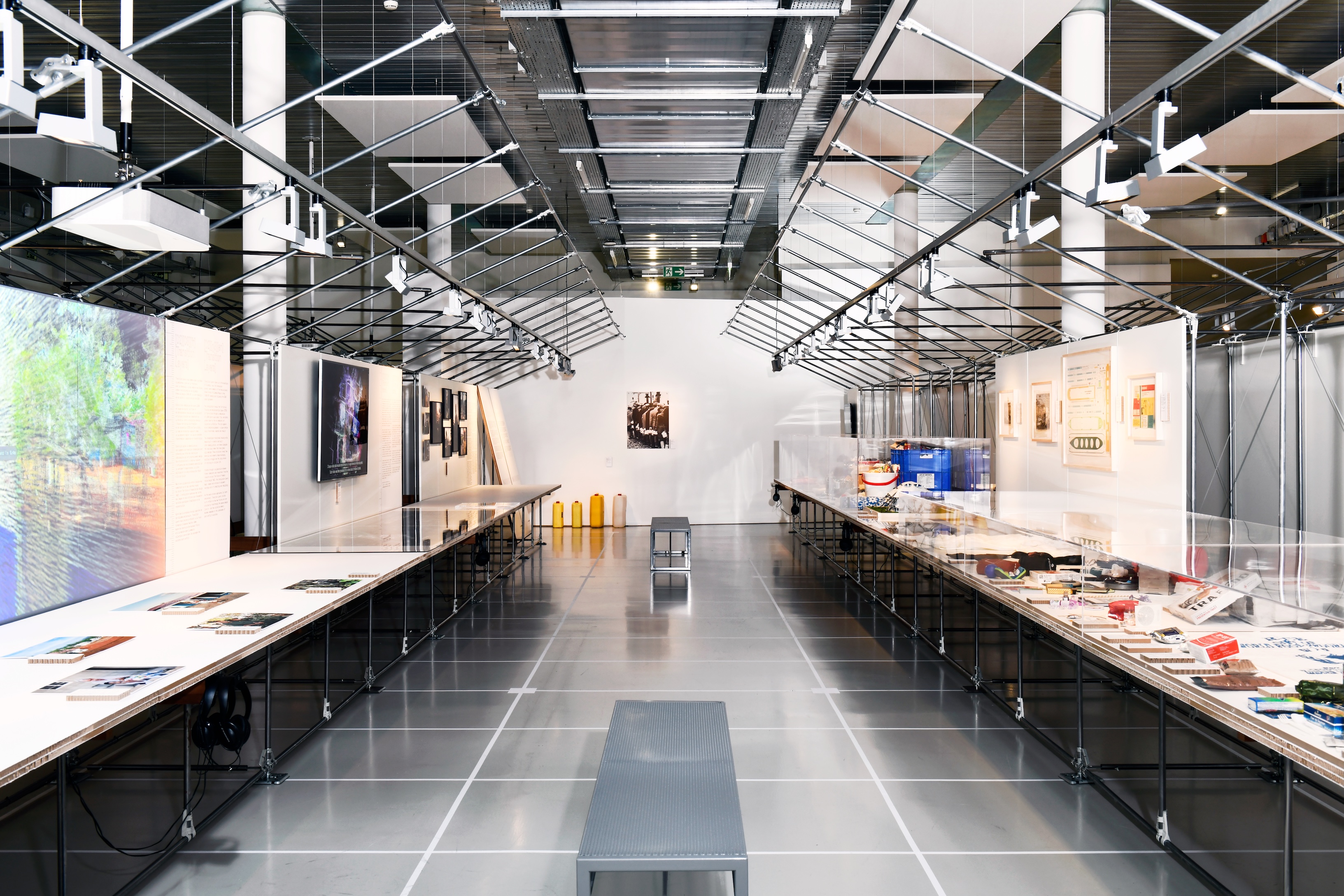
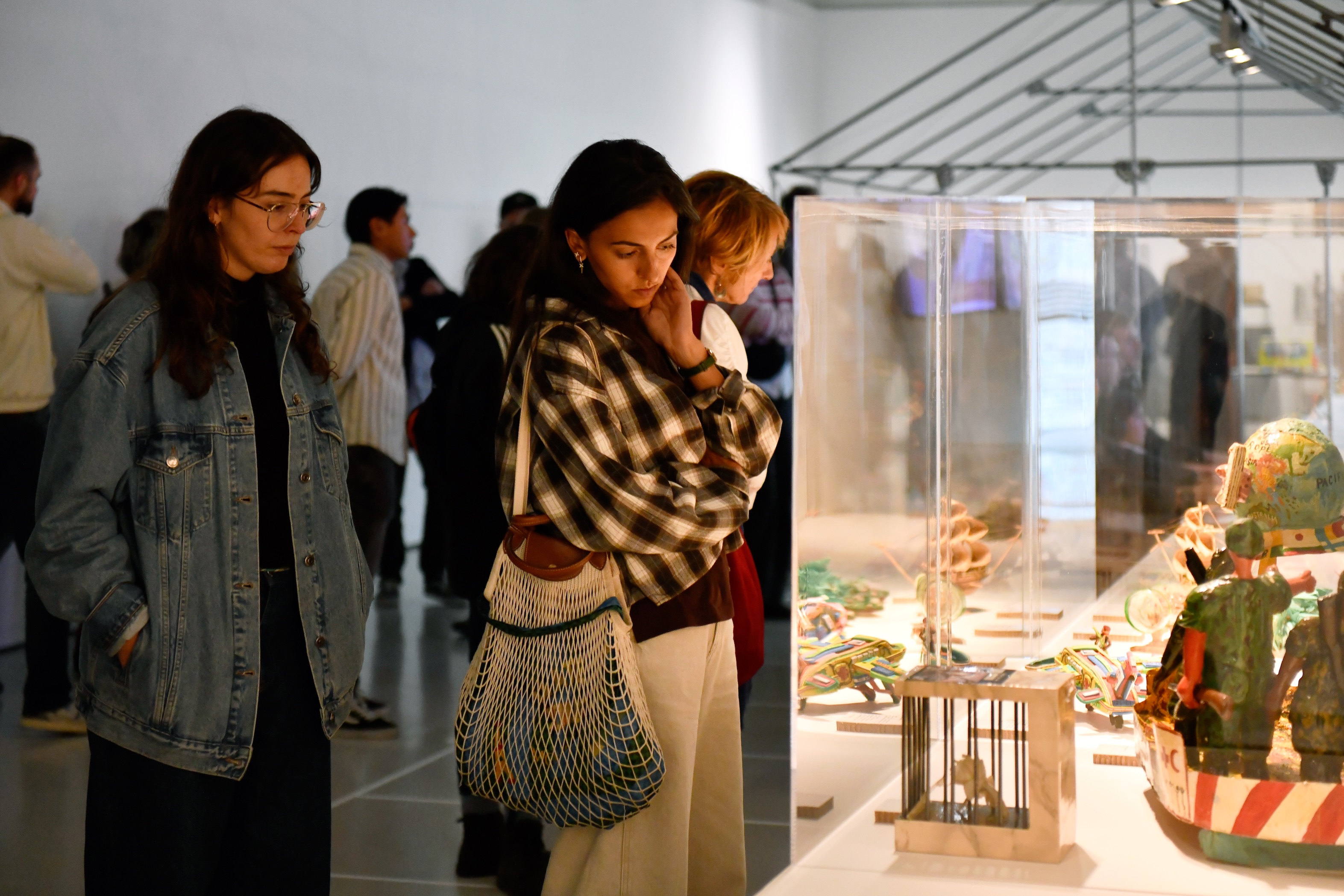
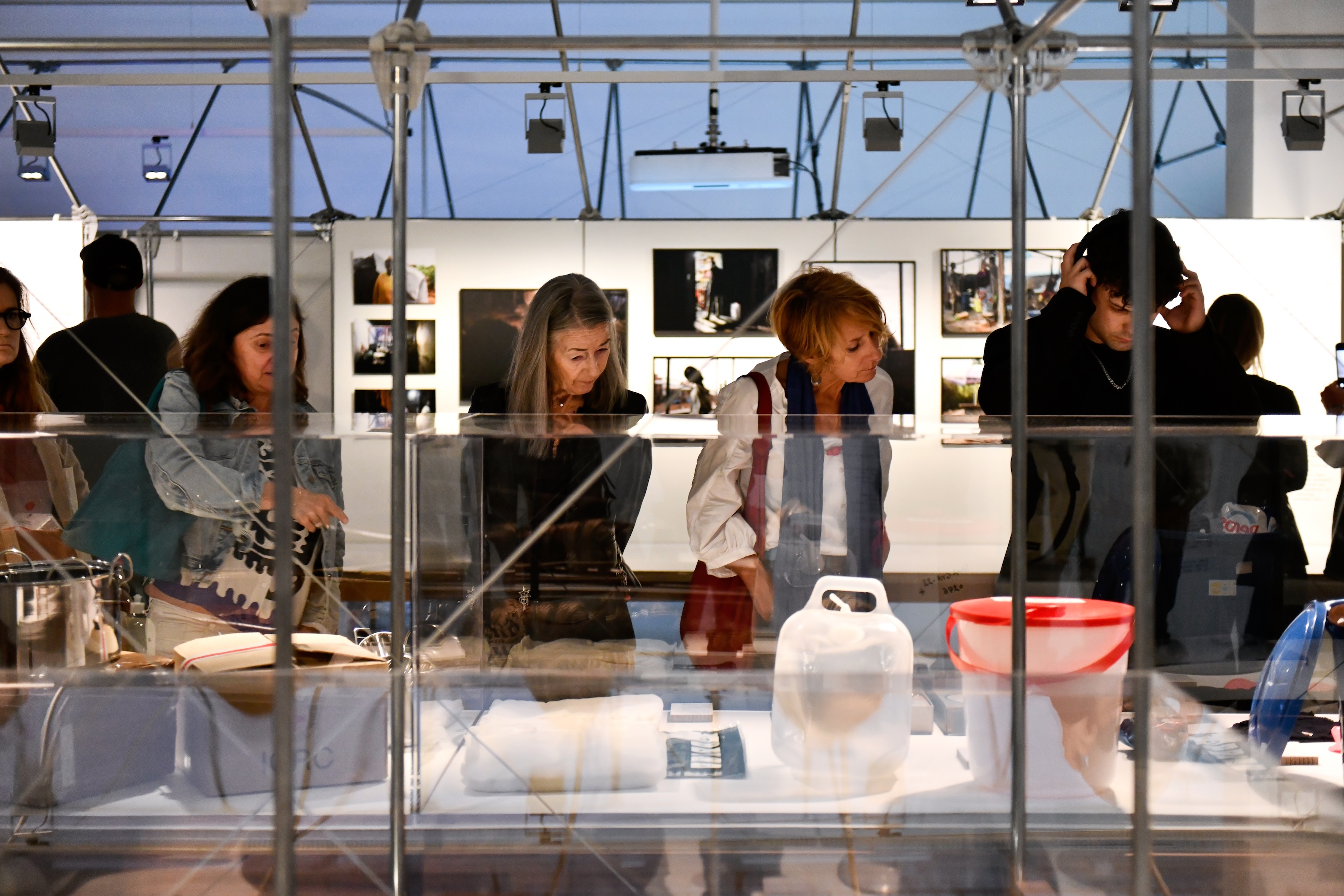
Humanitarian, by Design? Le design au cœur de l’humanitaire explores the objects commonly used in humanitarian action – such as first-aid kits, tents, prostheses, maps and makeshift shelters – and asks what they reveal about the lives of those who rely on them. The exhibition examines how design – whether improvised, institutional or repurposed – shapes life in situations of crisis, displacement or extreme precarity. From hacked plastics to architectures of waiting, and from personal stories to crisis imagery, it sheds light on fragile and often invisible practices designed for purposes of endurance, resistance and hope.
The exhibition was developed through a collaboration between the Geneva Graduate Institute, HEAD – Genève, the University of Copenhagen, the EPFL EssentialTech Centre, and the International Red Cross and Red Crescent Museum. It invites us to rethink humanitarian design from the perspective of those who live it – and to reflect on how humanitarian action concerns us all, here and now.
Curators:
Jonathan Luke Austin
Javier Fernández Contreras
Pascal Hufschmid
Anna Lender
Diane Samuel
Méloée Piaget
Elisa Rusca
Scientific Coordination:
L’Institut de hautes études internationales et du développement, la HEAD – Genève, l’Université de Copenhague / Geneva Graduate Institute (IHEID), HEAD – Genève (HES-SO) and the University of Copenhagen, avec / with Grégoire Castella, Nora Doukkali, Damien Greder, Maevia Griffiths, Rachel Howell, Aida Navarro Redón, Silke Oldenburg, Lucas Perez Florentino et / and Emmanuel Viga.
2. The double lives of objects | san francisco, USA
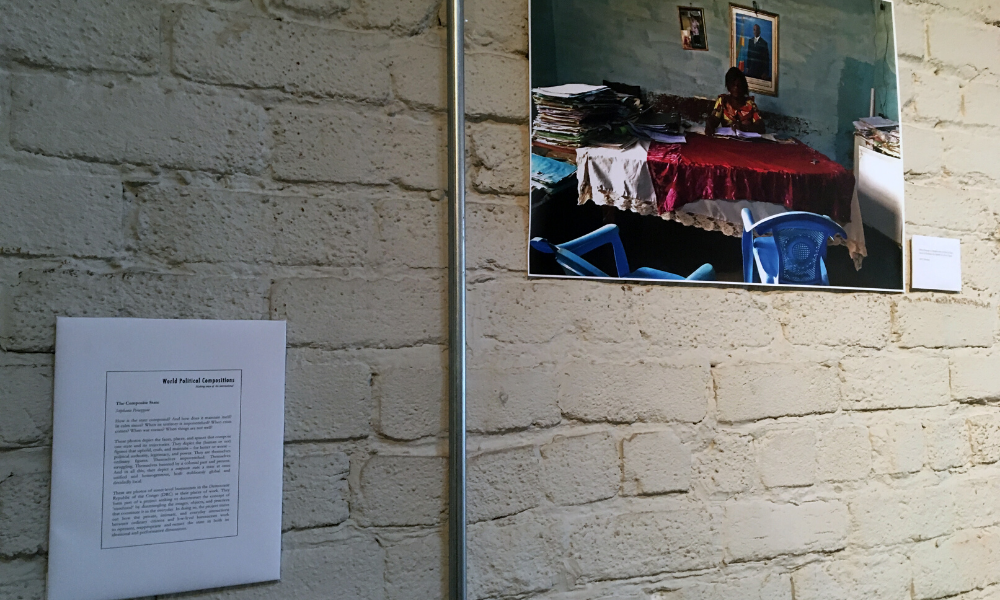
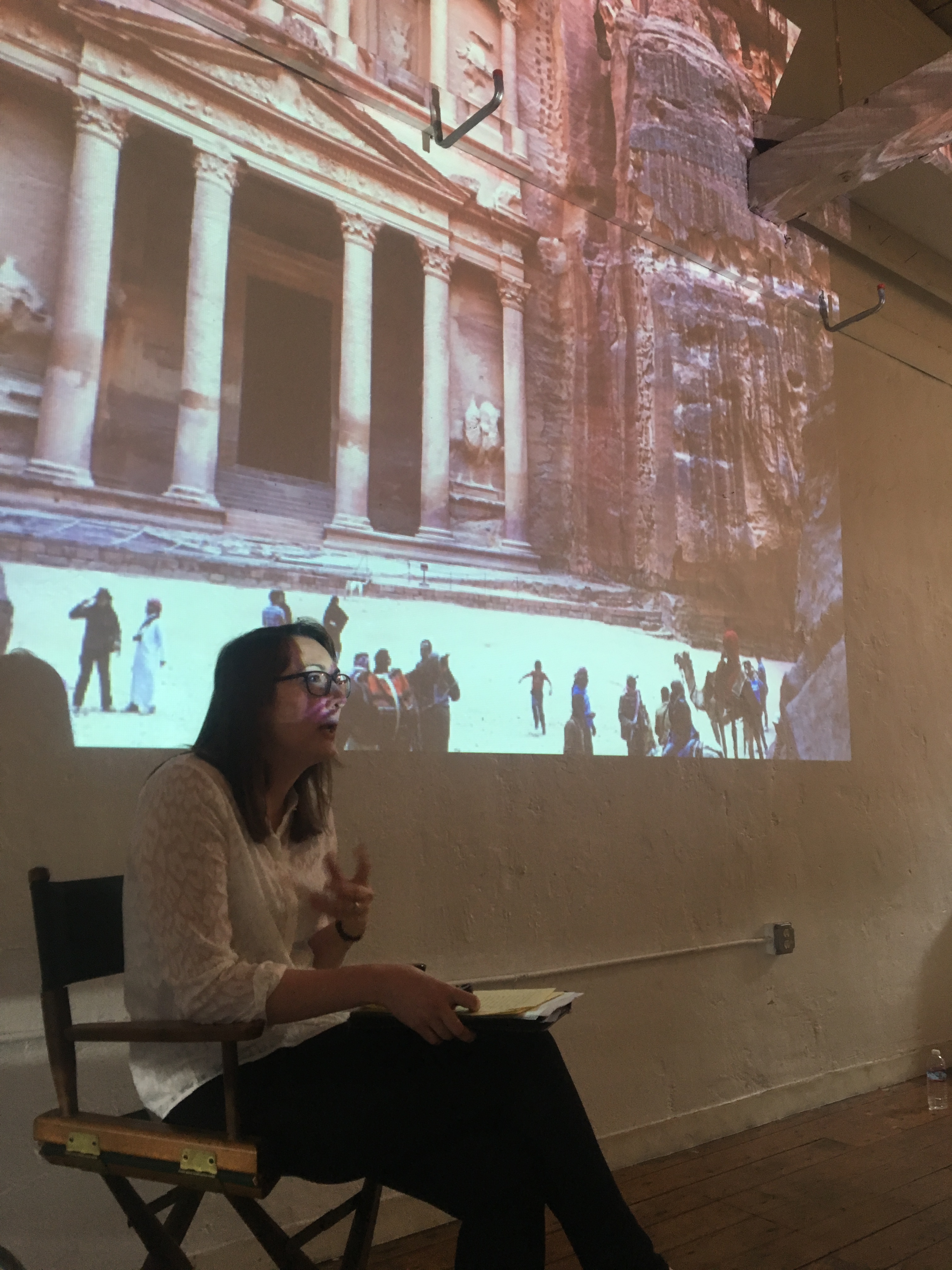
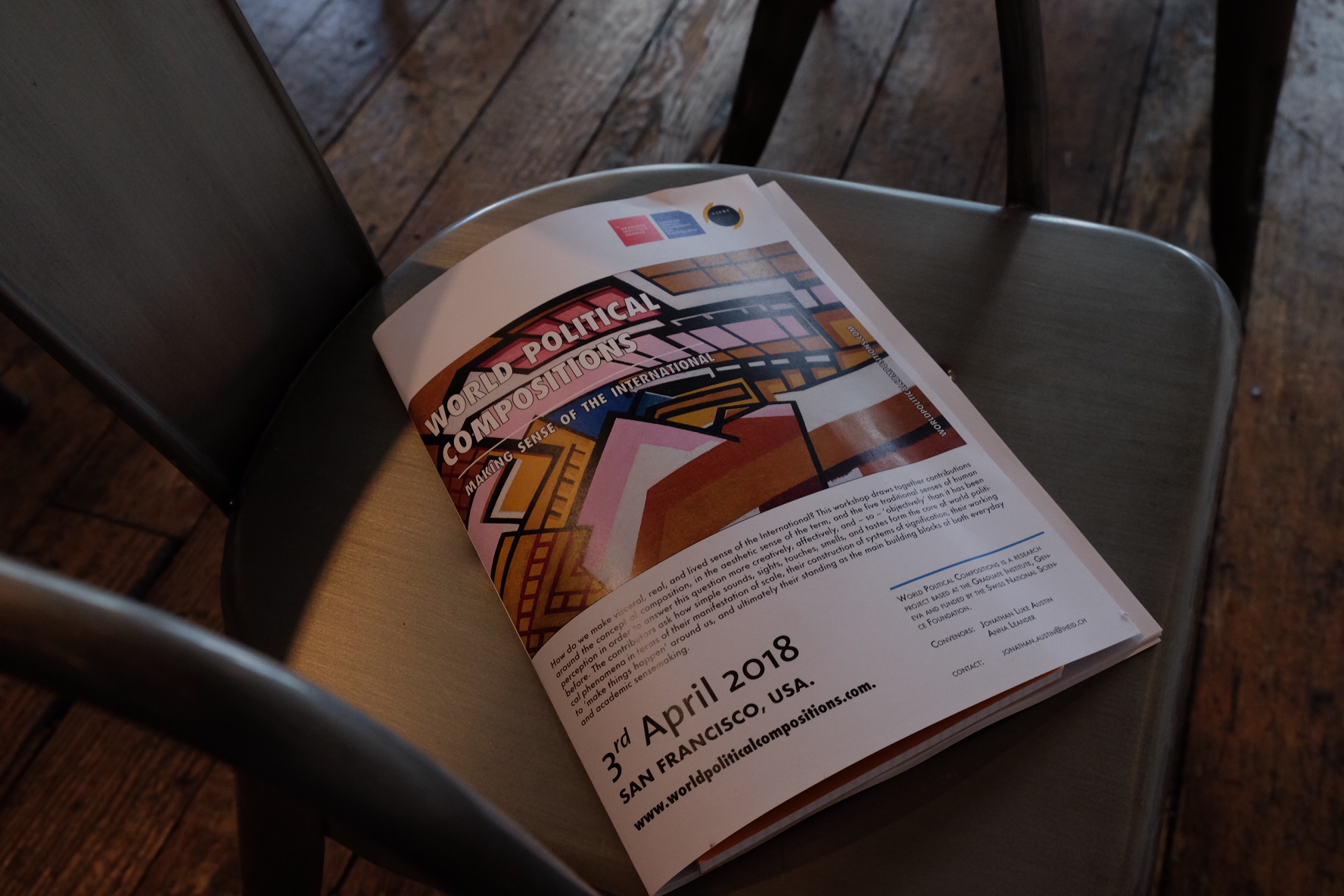
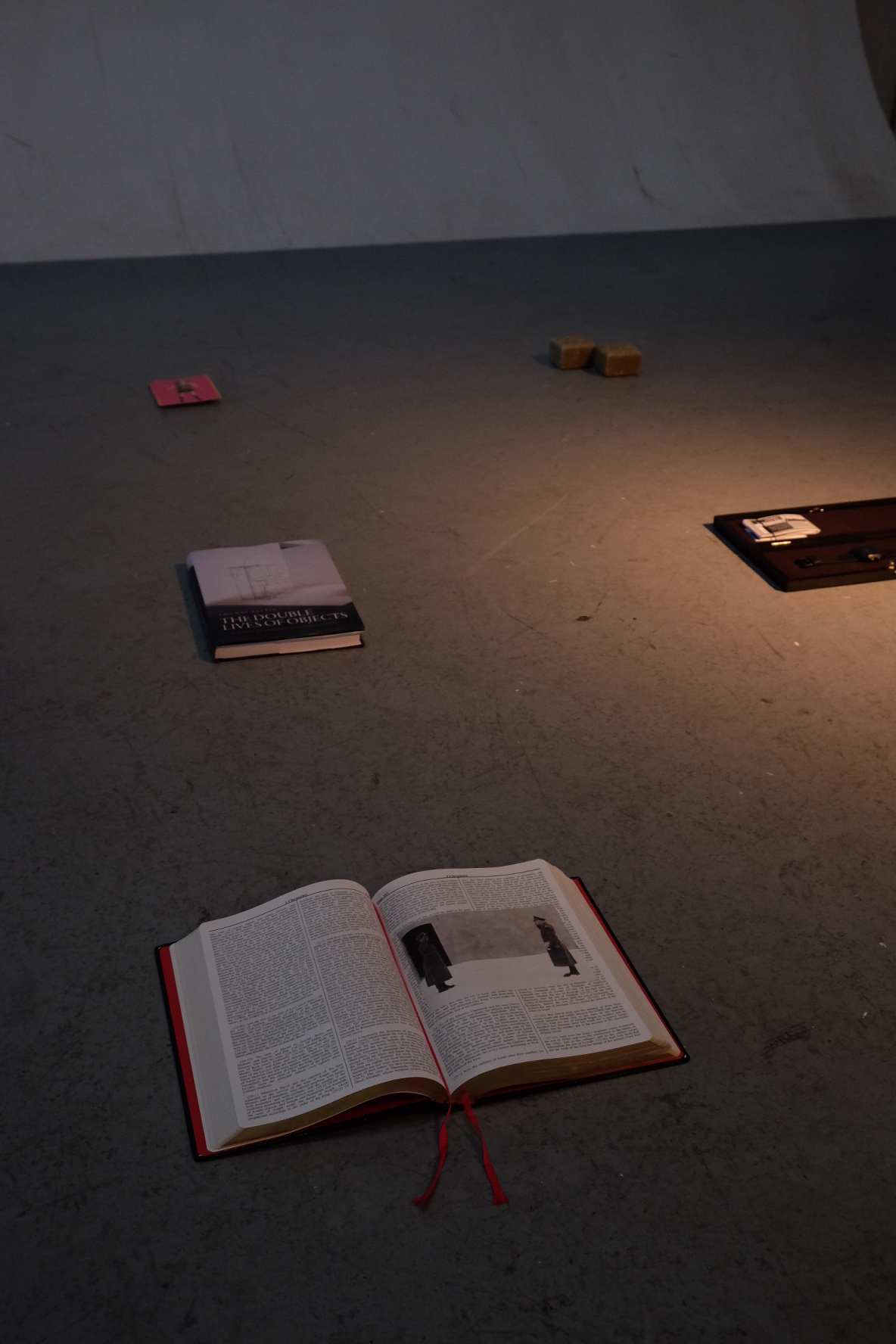
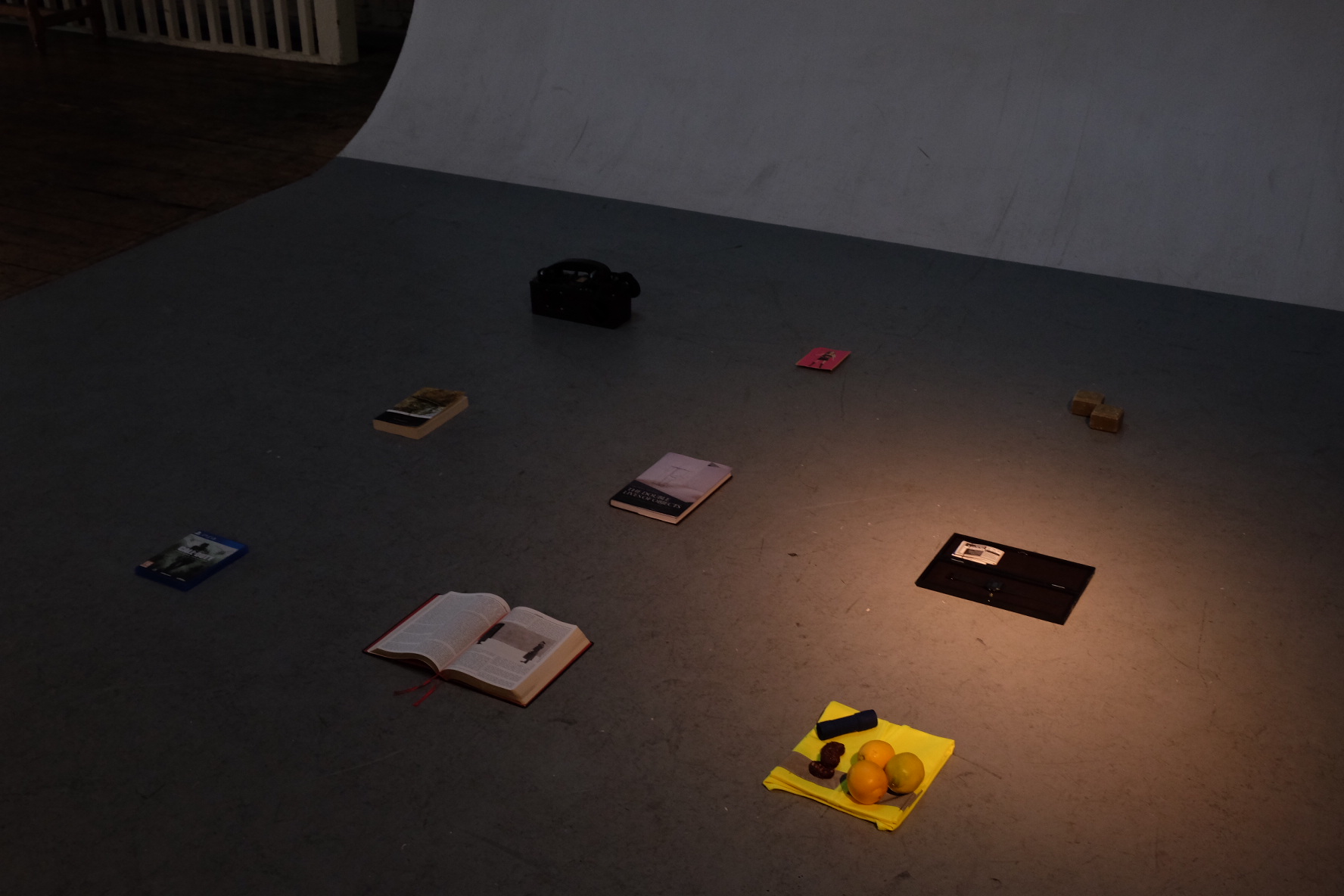
The Double Lives of Objects was an exhibition I organized as part of my work leading the Violence Prevention Initiative. The exhibition took place in San Francisco, USA, in coordination with the International Studies Association (ISA) annual meeting, and an expert symposium exploring the relevance of aesthetics to political theory and international relations. The exhibition compromised two main components. First, an installation of seemingly innocuous objects (soap, radios, novels, watches, etc.) that all have ‘dual-use’ purposes in enabling forms of political violence when placed in particular socio-material configurations. Second, a photographic installation of the ‘composite state’ that demonstrated the double lives of bureaucratic objects and spaces in the Democratic Republic of the Congo.